Solar energy is often seen as a way to reduce electricity costs. However, its impact on household electricity bills may depend on how solar power is generated and integrated into the grid.
A study by researchers at the Massachusetts Institute of Technology (MIT), published in October 2026 by pv magazine, found that utility-scale solar was associated with lower US residential electricity prices, while rooftop solar was correlated with higher prices. The findings highlight the importance of grid infrastructure, electricity pricing policies, and project scale.
1. Utility-Scale Solar Is Linked to Lower Electricity Prices
The researchers analyzed data from US states and utilities covering the period from 1998 to 2023.
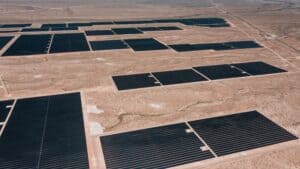
Their findings showed that a 10-percentage-point increase in utility-scale solar’s share of electricity generation was associated with residential electricity prices that were just over 8% lower.
Large solar power plants may help reduce electricity costs for several reasons. Unlike conventional power plants that burn fuel, solar installations do not require ongoing fuel purchases. They can also contribute to reducing transmission congestion and lowering certain operating costs.
The study further found that utility-scale solar was strongly associated with lower transmission, distribution, and overall operation and maintenance costs in an additional model.
These findings suggest that large-scale solar could play an important role in improving electricity affordability as renewable energy capacity expands.
2. Why Is Rooftop Solar Associated With Higher Prices?
The results for rooftop solar were different. A 5-percentage-point increase in rooftop solar’s share of generation was associated with residential electricity prices approximately 16% higher.
One possible explanation is how electricity costs are distributed among customers.
Electricity networks require investment in infrastructure, maintenance, and grid operations, regardless of how much electricity individual households consume. In some markets, rooftop solar customers may purchase less electricity from utilities while still relying on the grid.
If electricity tariffs do not adequately recover these fixed costs from solar-equipped households, some of the remaining costs may be shifted to customers without rooftop solar.
Another challenge involves distribution networks. Traditional grids were largely designed to deliver electricity in one direction, from power plants to consumers. Rooftop solar introduces more two-way power flows, potentially increasing the complexity and cost of grid management.
However, the researchers emphasized that these results show correlations, not definitive proof that rooftop solar directly causes electricity prices to rise.
3. What Does This Mean for the Solar Industry?
The findings do not suggest that one solar model should replace the other. Instead, they highlight the importance of matching solar development with appropriate infrastructure and pricing policies.
For utility-scale projects, cost-effective equipment, reliable mounting structures, and efficient project design remain important factors in delivering competitive electricity.
For rooftop installations, careful system design and better integration with local distribution networks can help address grid-related challenges.
As solar deployment continues to grow, the industry’s long-term success will depend not only on increasing installed capacity, but also on making projects economical, reliable, and compatible with existing power systems.
Solar Growth Needs Smarter Grid Integration
The MIT research highlights a key distinction: utility-scale solar is associated with lower residential electricity prices, while rooftop solar is associated with higher prices and distribution costs.
These results should be interpreted carefully, as the study does not establish direct causation. Nevertheless, they underline an important lesson for the solar industry: expanding renewable energy is only part of the equation. Effective grid integration, fair electricity tariffs, and well-designed solar projects are also essential to delivering affordable and sustainable power.
From: pv magazine